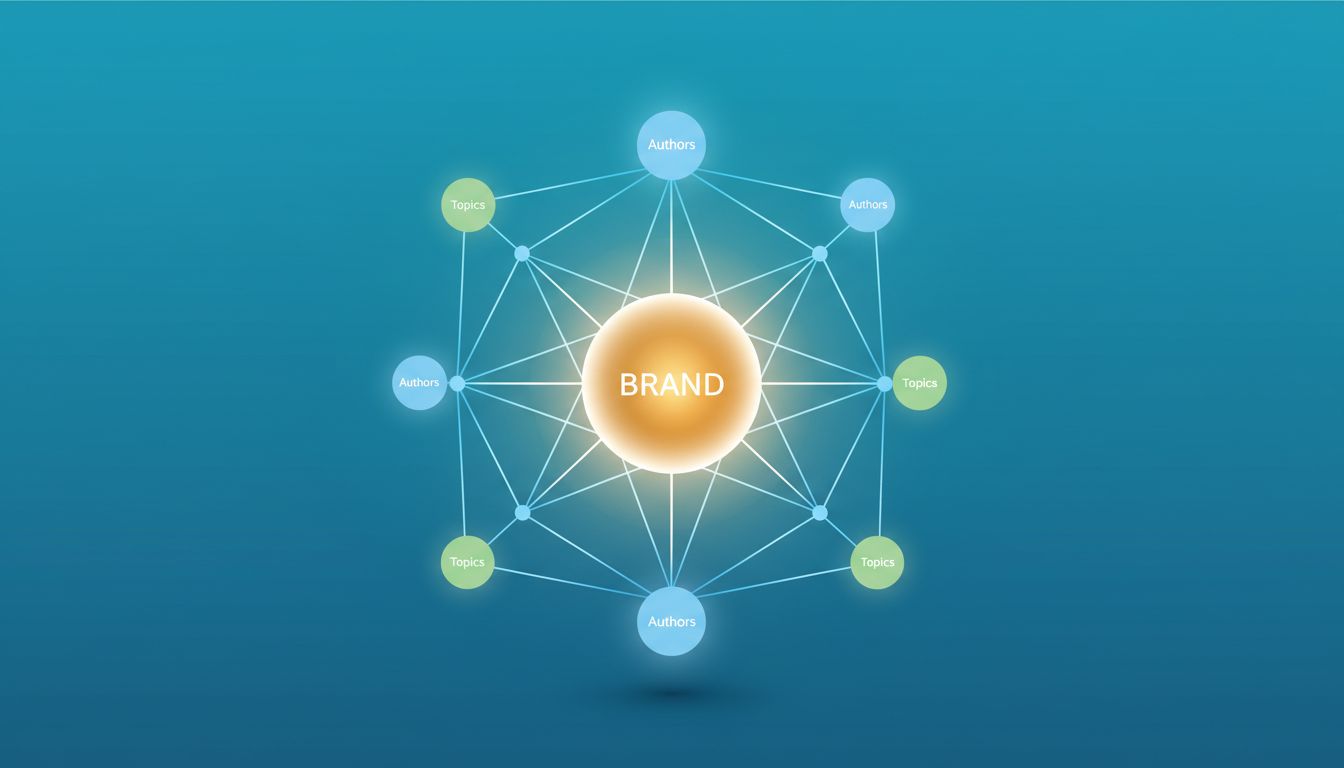
A service page can rank, get clicks, and still lose the lead before the first scroll. Search experience optimization means making the page match what people searched for, making it easy to understand fast, and removing enough doubt that taking action feels safe. Integrating these principles into your service page SEO is the foundation for ensuring your business stays competitive in modern search results.
That matters for service businesses because buyers often search with local intent, compare a few providers, and make high-trust decisions under pressure. If the page does not answer the query, guide the scan, and prove credibility, rankings alone will not achieve your goals for lead generation.
Key Takeaways
- Optimize for the full journey: Service page SEO extends beyond search rankings; it requires a seamless transition from the search query to a clear, trustworthy page that guides the visitor toward a specific action.
- Master the find, scan, and trust framework: A high-performing landing page must match user intent, explain your value within seconds, and provide concrete proof to lower perceived risk.
- Prioritize clarity over keyword density: Use specific, intent-focused headlines and concise language that addresses the user’s immediate problem, rather than relying on repetitive keyword stuffing that harms readability.
- Leverage local and specific proof: Boost conversion rates by placing credible testimonials, certifications, and outcome-based evidence directly alongside your call-to-action buttons to reduce hesitation.
What search experience optimization really means for service businesses
Search experience optimization goes beyond traditional on-page SEO. It covers the full path from the initial search result to the final page scan and conversion, across Google, local map results, and AI-driven discovery platforms.
### Why ranking alone is not enough
A page can rank at the top of results and still fail because the message is vague, the offer is buried, or the page feels risky. Home services, accounting firms, managed IT providers, and other service brands do not win on traffic alone. They win when the right visitor quickly sees relevance and trust. Because modern user experience determines whether a visitor stays to convert or leaves to check a competitor, you must look at the total engagement cycle.
A slow page, a generic headline, or a weak proof section can waste your qualified visits. Pick one high-intent landing page this week and judge it by what happens after the click, rather than before it.
The three goals of a strong landing page: find, scan, trust
A strong service page needs three things working together:
| Goal | What the page must do | Common failure |
|---|---|---|
| Find | Match the service, audience, and location | One broad page for many intents |
| Scan | Explain the offer in seconds | Dense copy and weak hierarchy |
| Trust | Reduce risk with proof and clarity | Empty claims and hidden next steps |
If a visitor cannot tell what you do, where you do it, and why you are credible within seconds, the page is underperforming.
How to master service page SEO for search and AI results
Discovery starts with intent match. The page should align with the exact service searched, the city or service area, and the kind of action the buyer wants to take to ensure you show up prominently in search engine results.
Match the page to the exact service and intent
Searches like “emergency AC repair in Phoenix” and “commercial HVAC maintenance in Phoenix” need different pages. One is urgent; the other is evaluative. Your headline, intro, and CTA should reflect that difference. To get this right, use keyword research to identify terms with significant search volume that align with your specific offerings. This helps you capture valuable organic results by mirroring the language your customers use. Specificity is key; a well-crafted title tag and meta description help users understand your value, while proper schema markup ensures search engines index your services accurately.
Use location and service terms naturally, not repetitively
Put the main service and location in the title tag, H1, opening paragraph, and one or two subheads. Then support it with natural mentions in image alt text, FAQs, service-area copy, and proof elements.
Thin city pages usually fail because they swap place names without adding useful detail. Tie the page to real local context, service area coverage, response times, or common local problems. Keep it aligned with your Google Business Profile and contact details.
Write for search engines and answer engines at the same time
AI search tools pull clean answers better than vague marketing copy. Use short, answer-first paragraphs that define the service, explain who it is for, and describe what happens next.
That also helps Google interpret the page. Add concise FAQs, plain service descriptions, and structured details such as hours, service area, and LocalBusiness schema when it fits.
How to make people scan the page fast and understand the offer
Most service buyers skim first. Effective landing pages should make the core offer obvious on mobile and desktop without asking the reader to work for it.
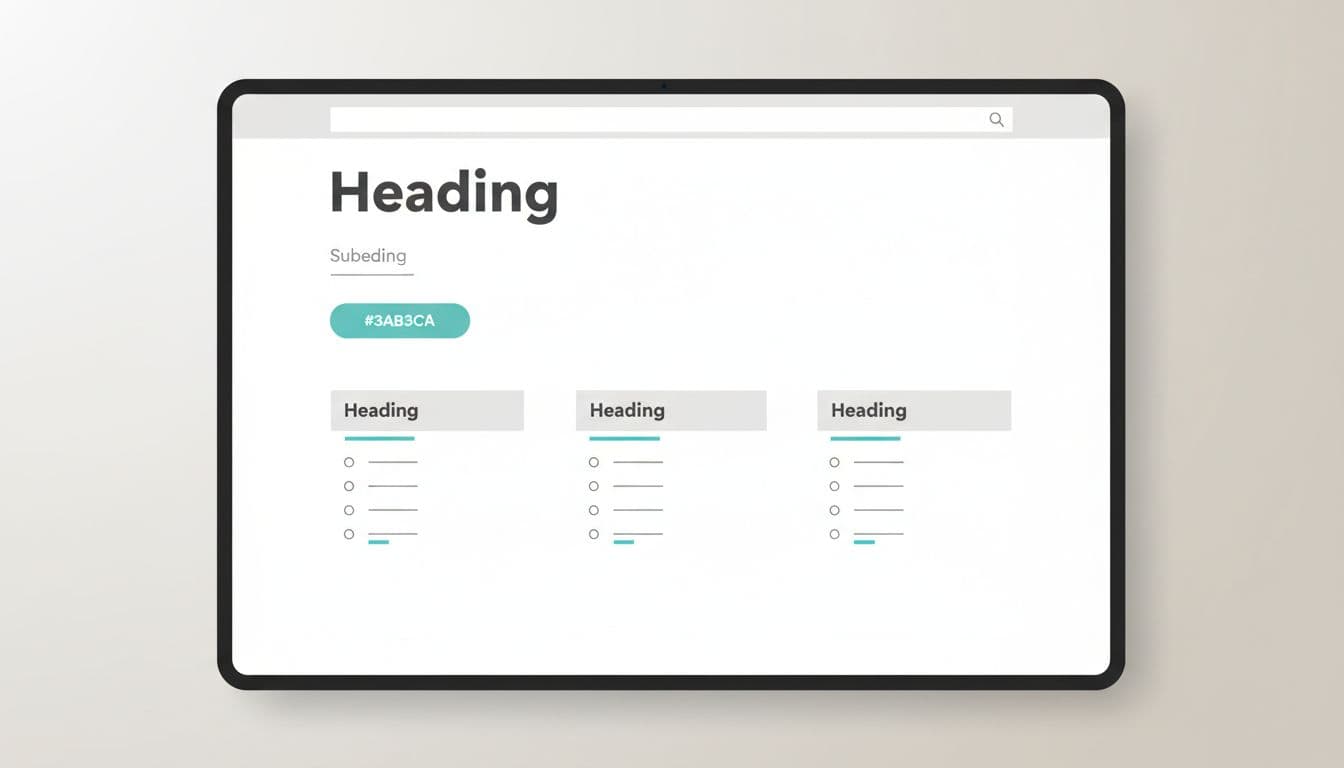
### Lead with a headline that says what you do, who it is for, and where it matters
A good headline removes confusion fast. Useful formulas for your target audience include service plus outcome, service plus audience, or service plus location.
Examples: “Same-day water heater repair in Tampa,” “Bookkeeping for multi-location clinics,” or “Managed IT support for Chicago manufacturers.” Each tells the reader what the page is about without forcing them to decode it.
Use section design that makes key details easy to spot
Short paragraphs, clear subheads, and a few bullets beat long walls of text. Put the primary call to action above the fold, then repeat it after proof or pricing details, where people often decide.
Keep one page focused on one main action. If the page asks visitors to call, download, subscribe, and book a demo all at once, clarity breaks down.
Make the page mobile-friendly and fast to load
Many service searches happen on phones, so spacing, button size, and load speed affect both trust and conversion. Compress images, reduce scripts, keep forms short, and use tap-friendly buttons.
Guidance on conversion-focused landing pages for service businesses also stresses responsive design and click-to-call options. Before your next campaign launch, test the hero section and first CTA on a phone, not only on a desktop.
How to build trust with proof, clarity, and low-friction next steps
Service pages convert when they lower perceived risk. Buyers want evidence, clear expectations, and an easy next step. By prioritizing social proof and transparency, you can significantly boost your conversion rate.

### Show proof that feels real, specific, and current
Use customer reviews, testimonials, case studies, before-and-after photos, certifications, awards, and client logos when you have them. The strongest proof is specific: response time, project type, outcome, or the kind of client served.
Place proof near your primary offer and near potential objections. A five-star quote hidden at the bottom helps less than a testimonial placed directly next to a booking button.
Explain the service so buyers know exactly what happens next
Tell people what is included, what areas you serve, how fast you respond, and who the service fits best. If buyers wonder about timing, process, or whether you handle their specific type of job, answer those questions directly on the page.
Defining a clear scope improves lead quality. It filters out poor-fit inquiries while helping good-fit buyers move through the decision process faster.
Keep forms short and buttons simple
Ask only for the information you need to start the conversation. Name, contact method, service needed, and a short message are often enough. Qualify the lead later.
Your call to action labels should match the buyer’s current stage. “Get Service” fits an urgent need, “Request a Quote” fits price shoppers, and “Book a Call” works best for consultative sales.
A practical workflow for improving service landing pages
Marketing teams need a repeatable review process. Start with pages that already attract paid clicks, local SEO traffic, or strong search impressions.
Audit the page against find, scan, and trust
Use this quick review:
- Compare the query, ad or search snippet, and landing page headline.
- Give the page a 10-second scan test on mobile.
- Check whether proof appears before or near the first CTA.
- Count form fields and remove any that don’t help the first conversation.
If one of those steps fails, fix that before rewriting everything else.
Test headlines, proof placement, and CTA wording
Start with changes that alter clarity fast. Test the hero headline, the subhead, the CTA label, and where testimonials appear. Small wording shifts can improve confidence because buyers understand the offer sooner.
Keep the test focused. If you change layout, copy, and form length at the same time, you won’t know what moved results.
Use related pages to support the main landing page
Connect the landing page to helpful internal links such as case studies, pricing FAQs, comparison content, and location pages. That supports navigation and reinforces topic depth.
A useful service page copywriting guide highlights how a well-structured FAQ section can help visibility and conversion together. A consultation offer also fits well after the proof section or FAQ, where interest is high but some doubt may remain. If you want an outside review, you can Get a Free Consultaion on a key landing page.
Common mistakes that hurt visibility, readability, and trust
These issues waste good traffic fast and can undermine your search performance.
Trying to say too much on one page
One page should support one primary goal. If you stack several services, several audiences, and several CTAs together, visitors lose the thread and conversions slip. By focusing a single page on one specific service, you strengthen your topical authority, which helps search engines understand exactly what you offer and increases your chances of ranking higher for relevant intent.
Writing for keywords instead of people
Stiff, repetitive phrasing makes pages harder to read and harder to trust. You should always prioritize natural language. When crafting localized content, write for the specific buyer in your area rather than stuffing geographical terms into the text. This approach naturally supports SEO because it clearly names the service, location, buyer problem, and next step in a way that resonates with humans and search engines alike. Avoid the temptation to create dozens of near-identical pages for different areas, as this often leads to duplicate content issues that can trigger penalties and hurt your site visibility.
Hiding proof or burying the CTA
Good offers fail when the page structure hides the evidence or the action. Put the next step where people decide, not only at the bottom of the page. If a visitor has to hunt for your credentials or your call to action, you have already lost the opportunity to convert them.
FAQs about search experience optimization for service landing pages
How is search experience optimization different from SEO?
It is broader in scope. Traditional SEO focuses on helping users find your page in the search engine results, while search experience optimization extends to what happens after the click. This FAQ section highlights that your strategy should cover page clarity, user trust, and conversion flow alongside technical local SEO efforts.
What should a marketing team fix first?
Start with intent match. If the headline, intro, and CTA do not reflect the exact service and location searched, other technical improvements will not carry as much weight.
How many CTAs should a service landing page have?
Use one primary CTA, repeated in a few logical spots. Most pages work better when the action stays consistent, such as Request a Quote from top to bottom.
Do local service pages need unique content?
Yes, they do. When building out location pages or dedicated service area pages, you must provide value beyond just swapping city names. High-quality, unique content is essential for ranking; you should include distinct service details, specific proof points, and local FAQs to ensure your unique content distinguishes your site from competitors.
Which trust signals help conversions most?
Specific proof works best. Reviews tied to real outcomes, relevant case studies, certifications, response time claims, and clear process details help more than vague praise. Furthermore, implementing structured data helps search engines verify your business details, while maintaining a strong presence on Google Maps via your Google Business Profile builds significant authority in search engine results.
Conclusion
In summary, mastering service page SEO is about more than just rankings; it is about creating a cohesive journey for the user. Service landing pages perform best when they do three jobs well: get found, get understood fast, and build trust before hesitation sets in. Effective search experience optimization matters because it integrates with your local SEO strategy to turn searchers into qualified customers.
Audit one important page against find, scan, and trust, then fix the first point of friction you see. If you want a sharper read on where the page is losing leads, Get a Free Consultation and review it with a clear conversion lens.