Most teams don’t fail at search engine optimization because they publish too little. They fail because they chase the wrong terms while trying to figure out how to rank on Google, build the wrong pages, or expect one strong page to carry an entire site.
If you want to rank #1 in Google in 2026, the work is less about hacks and more about stacking winning conditions to boost your ranking results. That means choosing the right queries, matching search intent, building pages people trust, and supporting those pages with a wider content system.
The process is demanding, but it’s clear. Start with the hard truths first.
Key Takeaways
- Choose winnable core keywords by focusing on high-intent, business-driving searches; skip enterprise-dominated terms and always confirm search intent by studying the SERP.
- Build the strongest page matching the dominant format, proving E-E-A-T with real experience signals like original screenshots and case studies, while using tools like Surfer for optimization without losing judgment.
- Power up money pages with topical authority through content clusters, strategic backlinks earned on supporting content, and internal links to compound strength across your site.
- Treat SEO as an ongoing system: Defend rankings with updates, prioritize revenue impact over vanity #1 spots, and expect 3-6 months for results with patience outperforming hacks.
How to Rank on Google: Three Reality Checks
Before you invest in rankings, calibrate expectations. A lot of wasted SEO budget comes from bad target selection, weak prioritization, and the belief that the top spot is a one-time win.
No one can guarantee a #1 ranking. What you can do is build the strongest possible case for Google to trust your page.
1. Skip terms dominated by enterprise brands
Some keywords are controlled by brands that have had a head start of years or decades. They’ve built deep authority, one of the most significant ranking factors, published at scale, earned links from major sites, and spent millions on content, PR, and product-led growth.
That doesn’t make those terms impossible. It does make them expensive.
For CMOs, this matters because ranking goals should tie back to return, not ego. If a keyword demands enterprise-level investment and your site can’t support that fight yet, the smarter move is to go after high-intent terms where your brand can compete now.
2. Reaching #1 is only half the job
A top ranking is not a trophy you put on a shelf. It’s a position you defend.
Once your page moves into the top spots, competitors study it. They update their pages, improve their copy, add better visuals, and push more backlinks toward the target term. That means keeping the position takes ongoing work, including:
- refreshing quality content
- improving authority around the topic
- strengthening internal links
- updating outdated examples, screenshots, and proof
This is why SEO should sit inside an operating rhythm, not a one-off campaign.
3. You do not need #1 for every relevant keyword
Most businesses have hundreds or thousands of possible queries across services, locations, comparisons, and informational topics. Trying to own all of them is not realistic, and in many cases it isn’t necessary.
The better path is to identify the handful of terms that drive pipeline, revenue, and organic traffic, then build outward from there. In practice, strong SEO is often a prioritization problem before it’s an execution problem.
Step 1: Choose Core Keywords and Confirm Search Intent
A clean start helps. Forget your current rankings for a moment and ask a simpler question: what would your ideal prospect type into Google right before becoming a lead or customer?
For most brands, the first answer is the brand name itself. After that come product names, service names, category terms, and high-intent problem queries.
Start with business-driving searches
Begin with keyword research to identify relevant keywords. The right keyword set depends on the business model.
A direct-to-consumer brand like Warby Parker might care about terms such as:
- buy glasses online
- affordable prescription glasses
- home try-on glasses
A software company like DocuSign might target:
- electronic signature software
- sign documents online
- DocuSign alternatives
A local service business like a plumbing company in Houston might focus on local search results in local SEO with terms such as:
- plumber near me
- Houston plumber
- drain cleaning Houston
- water heater repair Houston
- sewer line repair Houston
A prominent google maps listing helps, and a google business profile with complete business information and a detailed business description is vital for these search queries.
For CMOs, the test is simple. If a query ranks and sends traffic, could that traffic plausibly turn into revenue? If the answer is no, it probably doesn’t deserve early focus.
Read the SERP the way Google reads it
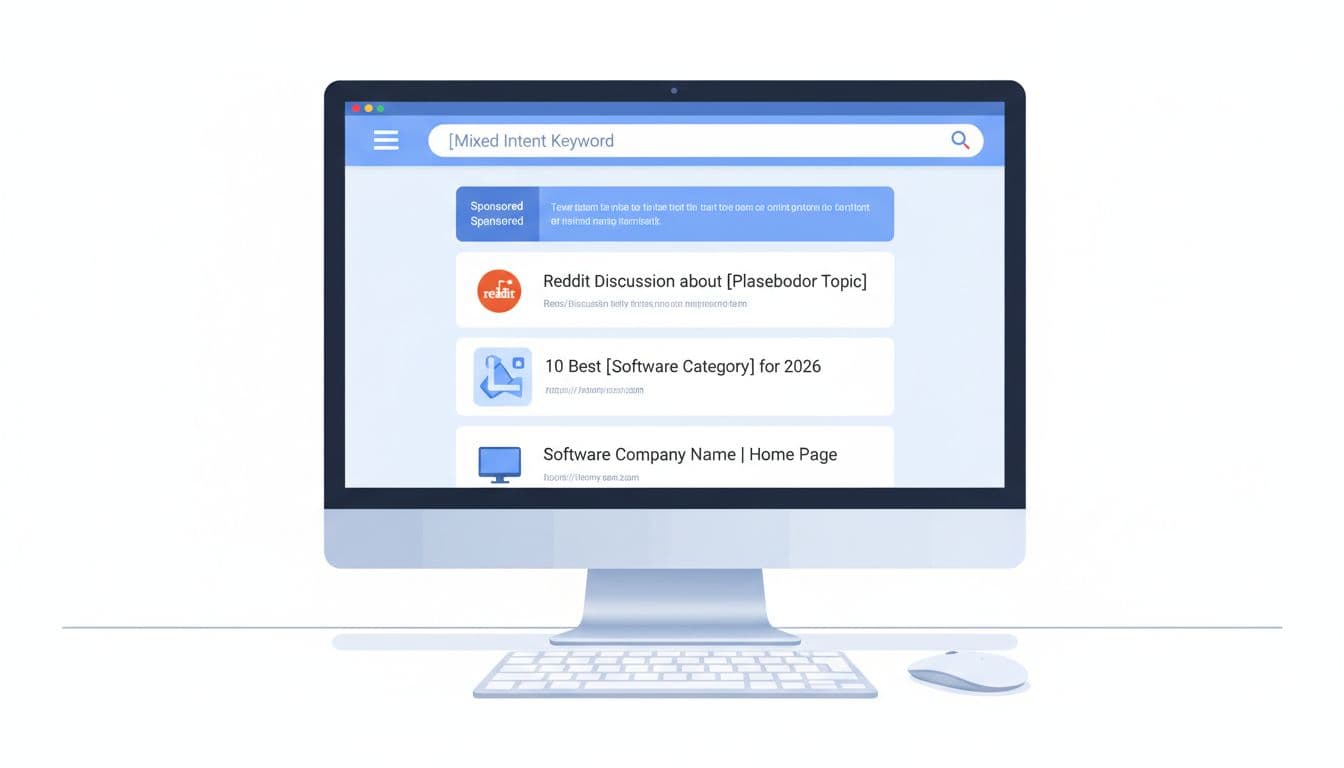
Once you’ve picked a core term, search it and study the google search results. The modern SERP is crowded. You may see paid listings, Reddit threads, list articles, brand homepages, video results, AI overviews, and People Also Ask boxes across diverse search results on the same screen.
The goal is to identify search intent, but there are two layers to that. First, what does the user want? Second, what does Google believe the user wants?
That second layer is what matters most in ranking decisions. If Google interprets a query as commercial, comparison-driven, or navigational, your page has to match that expectation.
The term “electronic signature software” is a good example. One user may want a vendor homepage. Another may want a comparison of the best tools. Someone else may want unfiltered opinions from Reddit. Because the intent is mixed, Google returns a blend of formats in the google search results.
When a SERP looks like an “all you can click” buffet, your content choice matters even more. The wrong format can keep a strong page from ever reaching the top. Tools like Surfer can help map the top-ranking patterns, but the judgment call still comes from reading the page like a strategist.
Handle mixed intent with a practical strategy
When intent is mixed, there are two workable paths.
- Follow the majority format. If the page is mostly homepages, use a homepage or product page.
- Take the opening Google gives you. If dominant brands own the homepage positions, create a comparison or roundup page that earns its place another way.
GetAccept is a strong example of the second path. Against household names like DocuSign and PandaDoc, a homepage-vs-homepage battle is hard to win. A roundup post gives a smaller brand another route into the SERP. By publishing a comparison that helps buyers assess multiple tools, including competitors, the page becomes useful enough to outrank stronger brands on pure brand recognition.
That approach works because it aligns with the mixed intent on the SERP. Some users want a vendor. Others want evaluation help. A well-made roundup page satisfies the second group and can capture the click before a buyer chooses a platform.
Step 2: Build the Best Page for the Query
After you’ve chosen the keyword and understood the intent, the next job is straightforward: create the strongest page on the result page for that format.
This is where many teams overcomplicate things. Rankings don’t come from arbitrary word counts or stuffing pages with terms. They come from relevance, completeness, usefulness, and trust.
Match page format to the intent
A category page, a product page, a long-form guide, and a comparison article all do different jobs. Your format should look familiar to the query, even if the substance is better than what’s already ranking. A mobile-friendly layout is non-negotiable for user experience.
If the SERP favors product pages, build a strong product page. If it favors long guides, publish a guide. If videos dominate the result, video needs to be part of the plan.
This is also why “How long should the page be?” is usually the wrong question. The better question is: what does someone searching this term need in order to feel satisfied and ready for the next step?
A short page can rank if it answers the need fully. A long page can fail if it wanders.
Use optimization tools without handing them the wheel
A good workflow can speed up research and reduce blind spots. It should not replace judgment.
One effective process starts by placing the target keyword into Surfer’s content editor and reviewing the page patterns from current winners. That gives you a fast view of how top-ranking pages structure the topic.
From there, the work usually looks like this:
- review competitor outlines to spot common sections
- generate an outline for ideas, then trim and rewrite it
- check the related questions people ask
- draft the content in your own words
- optimize title tags, meta descriptions, and image alt text for the search engine
- implement structured data to assist with crawling and indexing
- revisit the draft for semantic coverage and missing entities
The value in this workflow isn’t automation for its own sake. It’s that you can see where top pages agree, where they leave gaps, and where your team can add original material.
For teams building both classic search traffic and AI visibility, that last step matters more now. The content has to be clear enough for search engines, AI assistants, and human readers to interpret the same core message. If you’re working on that broader visibility layer, the AI Search Optimization Masterclass is a useful extension of this thinking.
Prove experience with E-E-A-T signals
Strong structure is not enough. Google also wants evidence that the content comes from real experience and credible knowledge.
That’s where E-E-A-T comes in: Experience, Expertise, Authoritativeness, and Trustworthiness.
The first “E”, experience, carries more weight than many brands assume. Google has become much better at distinguishing first-hand content from pages assembled by summarizing other pages.
Experience shows up in practical ways:
- original screenshots
- photos from real use
- process documentation
- case studies with hard numbers
- first-hand commentary on what worked and what failed
- real bylines, dates, and updates
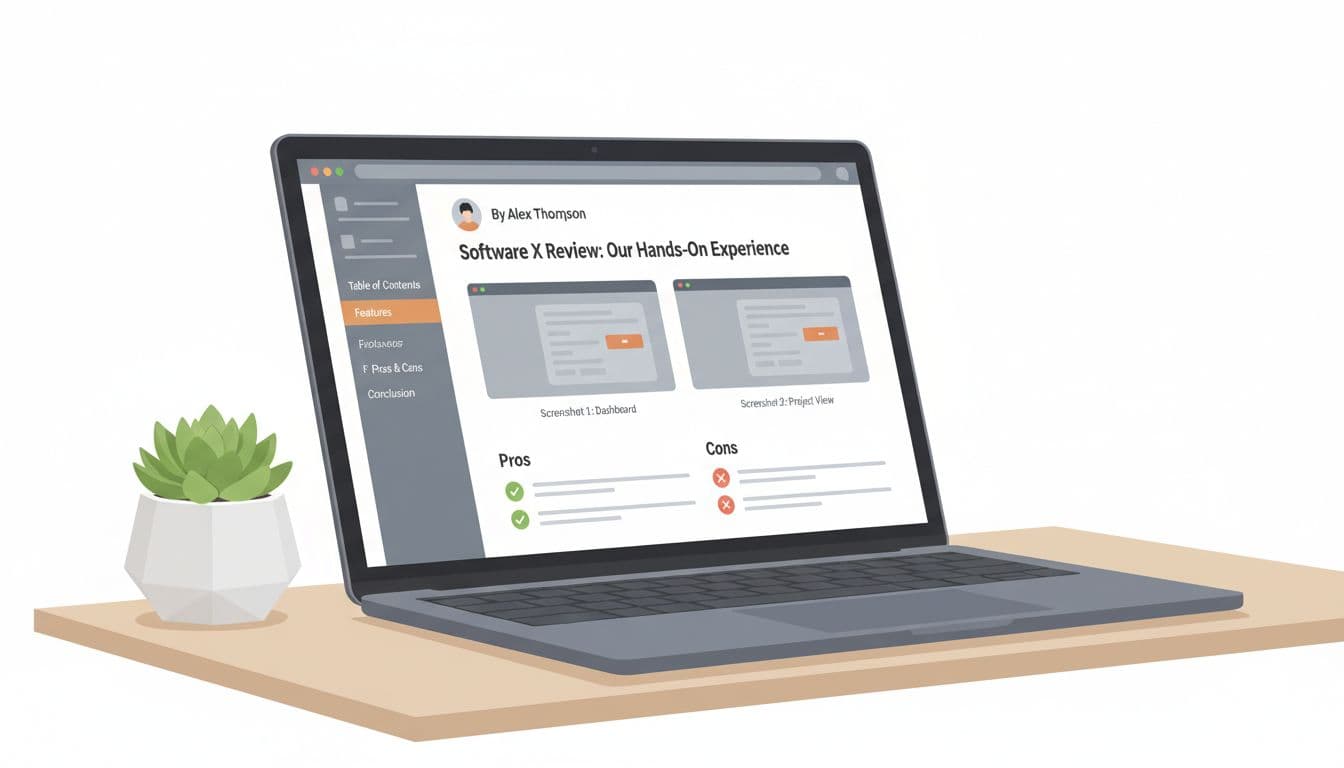
GetAccept’s comparison content shows this well. The page says the tools were tested. It includes original screenshots from inside the platforms. Each review uses a consistent framework, which suggests a real evaluation method rather than random commentary. The page also includes an author name, a visible update date, a table of contents, and a short TL;DR section for quick scanning.
All of that builds trust and supports the page experience signals Google monitors.
For CMOs, the operational takeaway is clear. If you’re publishing product reviews, use the product. If you’re explaining a process, document the process. If you need first-hand insight and don’t have it in-house, involve a subject matter expert or interview someone who does.
Step 3: Power Up Your Money Pages
A great page is necessary, but it rarely wins on its own, especially on younger sites or in crowded markets.
Your highest-value pages need support. In practice, that support comes from two places: topical authority and backlinks.
Build topical authority around the page
Imagine two websites targeting “best hydroponic garden system.”
Website A has one polished page on the subject. It was published recently and looks solid.
Website B has that page too, but it also has a larger body of content around the topic: guides for apartment growers, budget-friendly systems, outdoor setups, nutrient guides, troubleshooting, and crop-specific recommendations.
If both main pages are equally good, Google has more reason to trust Website B. It has demonstrated broader knowledge of the topic, and that broader coverage reduces uncertainty.
The same logic applies in competitive service markets. A law firm that wants to rank for a high-value page like “personal injury lawyer Houston” is stronger when it also has quality supporting content on car crashes, truck accidents, slip and falls, wrongful death, claim timelines, local court processes, and settlement questions.
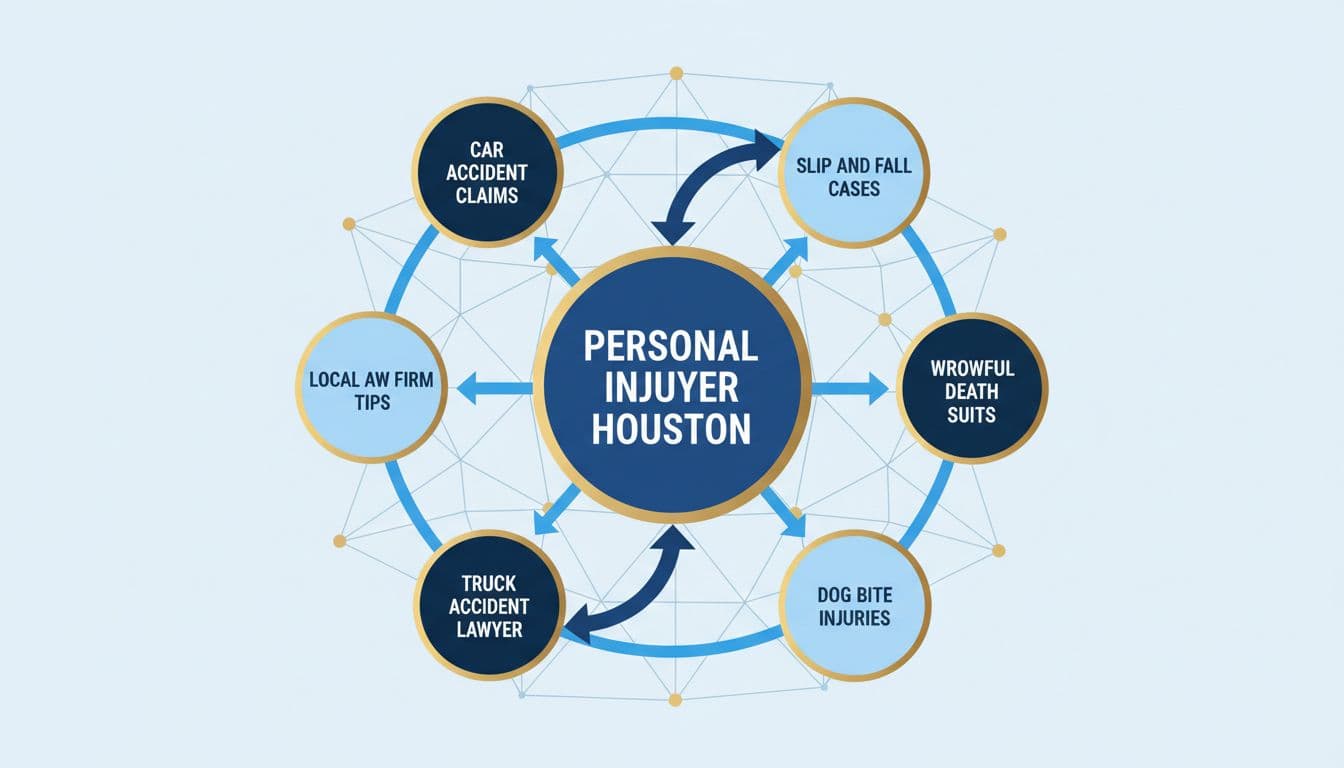
This is what content clusters are for. Your money page sits at the center, and surrounding pages build context, depth, and internal pathways that reinforce it.
Surfer’s site tools and Google Search Console are useful here because they show content gaps across your domain and help identify existing strengths. That helps teams decide what to publish next instead of guessing. The result is a content map where each new article doesn’t sit alone. It supports a larger revenue goal.
Build backlinks after you’ve built something worth citing
Backlinks still matter. They are still one of the clearest ways the search engine measures trust from outside your own site. Search engine trust is built over time through these connections.
However, backlink work gets easier when you’ve already built strong supporting content.
A cold outreach email that says, “Please link to our service page,” asks for a favor. A message that says, “You linked to an outdated resource on hydroponic nutrients, and we recently published a tested, updated guide your readers may find useful,” makes a real editorial case.
That difference matters.
Pages that attract links are often educational, comparative, or research-driven. Those pages can still support revenue because they pass authority into your money pages through internal links. If link-building is a focus area for your team, Matt Kenyon’s backlink acquisition video is a good next resource.
Use internal links to move authority where it matters
When a supporting article earns external links, the value doesn’t have to stay on that article.
Internal links allow authority to flow from supporting pages to the commercial page you care most about. That’s one of the core mechanics behind content clusters.
A simplified model looks like this:
- publish a strong money page
- build supporting articles around the topic
- earn links to the supporting content
- connect those pages back to the money page with relevant internal links
Over time, the whole section becomes stronger.
For CMOs, this is where search engine optimization stops being a pile of isolated articles and starts behaving like a system. One piece helps the next. One link can benefit more than one page. A well-built cluster compounds.
Why This Playbook Works, and Why Patience Still Wins
The sites that hold top rankings across industries tend to follow the same pattern. They publish strong commercial pages with clear messaging and useful visuals. Then they surround those pages with helpful, connected content. Over time, they earn trust from other sites and keep their best pages current.
That sounds simple, but it is labor-heavy. A single cluster can take months to build well. Results may take months more. In addition, this work assumes the business already has solid product-market fit and a technically sound website. SEO can amplify strengths, but it doesn’t fix a weak offer or a broken site.
A common question when learning how to rank on Google is: how long does it take? Search engine visibility typically takes 3-6 months as crawling and indexing occurs and technical SEO improvements take hold. A mobile-friendly site is a baseline requirement for these ranking results to stabilize.
Still, the upside is hard to ignore. Organic traffic tends to arrive with intent. Good rankings can keep producing for years. That is why patient teams often outperform impatient ones.
If search visibility now includes AI-driven discovery in your category, it’s worth pairing this playbook with broader resources on AI search. The AI search visibility guide expands on that next layer, and Matt Kenyon’s SEO channel has more material on the operational side of content and links.
Frequently Asked Questions
Can anyone guarantee a #1 ranking in Google?
No one can guarantee a #1 ranking. What you can do is stack winning conditions by choosing the right keywords, matching intent, building trustworthy pages, and supporting them with topical authority and links. Rankings depend on Google’s evolving algorithms, competition, and ongoing defense.
How do I identify the right keywords to target?
Start with business-driving searches your ideal prospects would type, like product names or high-intent problems. Skip terms dominated by enterprise brands and confirm intent by studying the SERP for formats like homepages, comparisons, or guides. Prioritize queries that plausibly convert to revenue over exhaustive coverage.
What role does topical authority play in rankings?
Topical authority strengthens your money pages by surrounding them with clustered content on related subtopics, reducing Google’s uncertainty about your expertise. This cluster model—hub page linked to supports—earns more trust than isolated pages. Tools like Surfer and Google Search Console help identify gaps to fill next.
How long does it take to see SEO results?
Search visibility typically takes 3-6 months as Google crawls, indexes, and evaluates improvements. Factors like site age, competition, and technical health influence speed, but patient teams building systems outperform quick hacks. Organic traffic then compounds over years with intent-driven visitors.
Why do backlinks still matter, and how should I get them?
Backlinks signal external trust to Google and flow authority via internal links to money pages. Build them naturally after creating cite-worthy supporting content like guides or comparisons, rather than cold outreach to service pages. Educational assets attract links more easily and support revenue goals.
Final Thoughts
If you want to rank #1 in Google, start by dropping the fantasy that one page, one tool, or one campaign will get you there. Top rankings come from fit between the keyword, the page, the surrounding content, and the trust your site has earned.
That is why the order matters. Choose the right target, match intent, build the best page you can, and then support it with clusters and links. Teams that keep repeating that cycle give themselves the best shot at holding the position once they win it. Ultimately, quality content must be supported by a robust Google Business Profile for local visibility, and search results are won by those who treat search engine optimization as a long-term strategy rather than a one-off task.