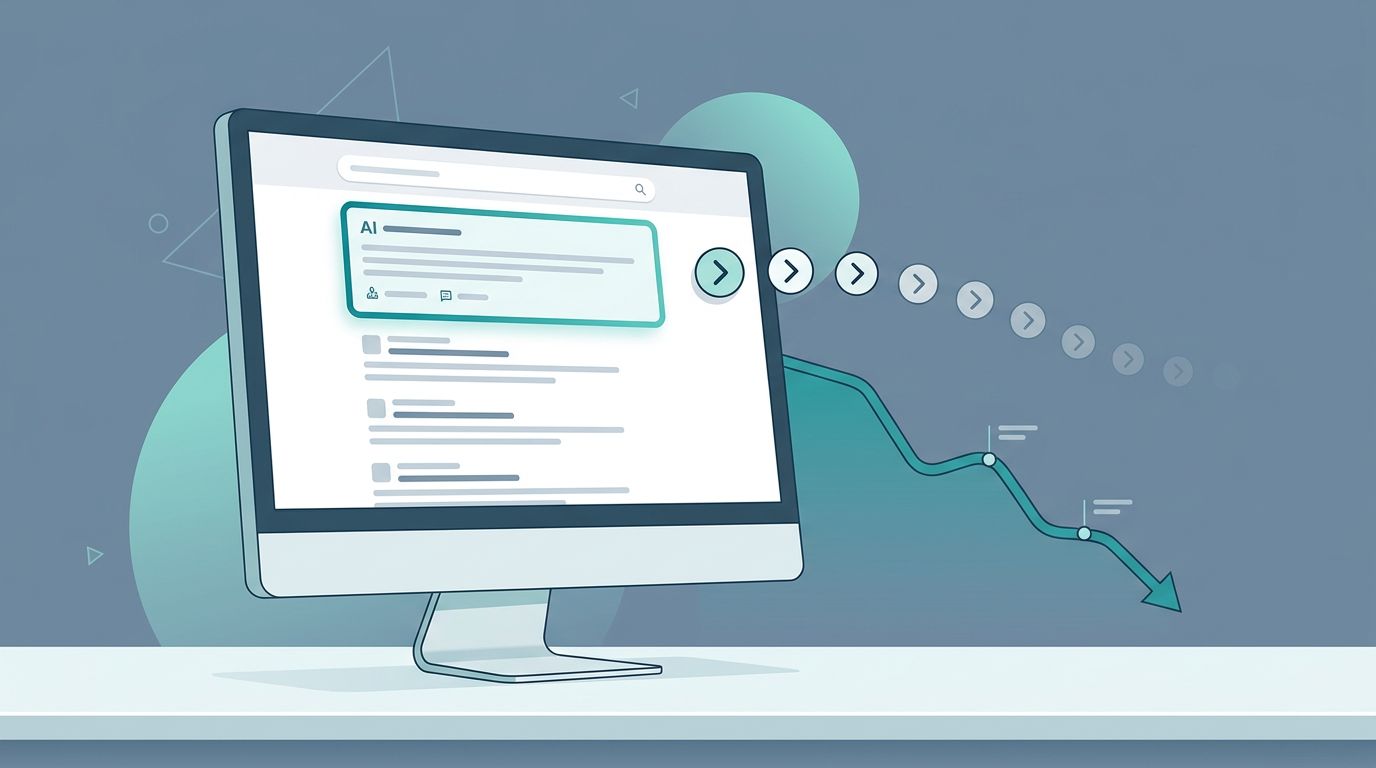
Core updates can erase a quarter’s worth of SEO wins in a few days. If you saw a Google traffic drop right after the latest update, the plain answer is this: Google now sees other pages as more helpful, more trustworthy, or better matched to search intent than yours.
That usually means a re-ranking, not a penalty. Broad core updates re-score relevance and quality across the search results, so recovery comes from better pages, not quick hacks.
For CMOs and marketing leaders, the job is clear. First, confirm the drop lines up with the update. Then compare the pages that lost with the pages that replaced them, improve what users actually need, and clean up technical issues that block performance.
What a core update really changed in your search visibility
A core update is a broad re-evaluation of search results. Google doesn’t usually tell you that one tag, template, or page caused the loss. Instead, it re-checks which pages best answer the query right now.
That matters because many teams react as if they were punished. In most cases, they weren’t. Google’s own core updates guidance explains that ranking changes often reflect a reassessment of content quality and relevance, not a manual action.
A manual penalty is different. If Google takes direct action, you’ll usually see it in Search Console under Manual Actions. A core update drop is more like losing a side-by-side comparison. Your page may still be good, but another result may now look stronger on usefulness, freshness, expertise, or page experience.
Why your page may have lost to a better result
Most losses come from a short list of problems. The page may be thin, dated, padded with SEO copy, or weak on proof. In other cases, search intent shifted and your page format no longer fits.
For example, a service page might rank for months, then lose to a comparison guide because users now want options before they contact anyone. Meanwhile, slow mobile load times, duplicate pages, weak internal links, and indexing issues can make a good page easier to beat.
How to tell a real update impact from normal ranking noise
Start with dates. Check Search Console and GA4, then compare the week before the announced update with the week after. If the decline began on the same window and affected many URLs or queries, you likely have true update impact.
This quick view helps separate signal from noise:
| Pattern | What it usually means |
|---|---|
| Broad drop across many pages | Core update impact is likely |
| One page or one keyword fell | Page-level issue or competitor gain |
| Mobile traffic fell more than desktop | UX, speed, or rendering issue |
| Rankings bounce daily with no clear trend | Normal volatility |
That step saves time. If the problem is limited to one page, don’t launch a site-wide rewrite.
If the drop affects lead flow and you need a second set of eyes before changing dozens of URLs, bring in help early and Get a Free Consultaion.
How to find the pages and queries behind the Google traffic drop
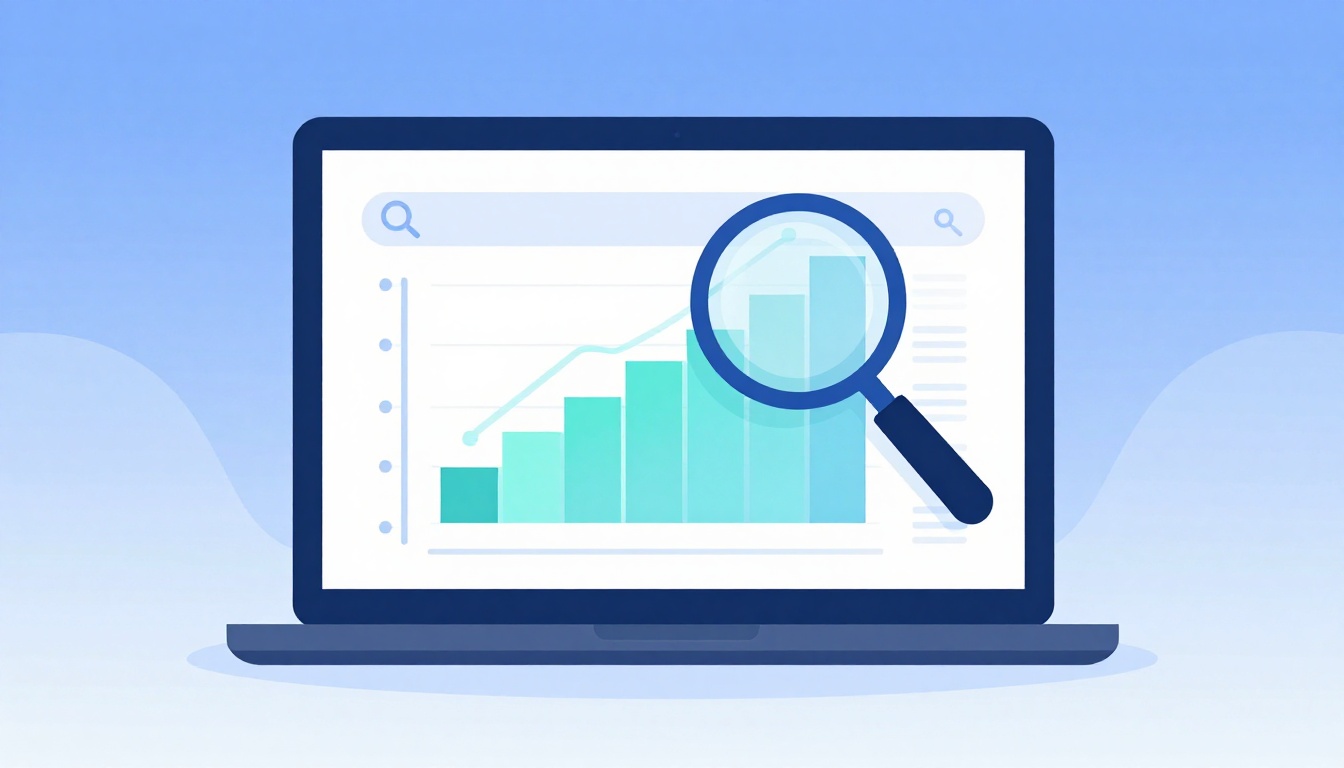
Diagnosis starts with landing pages, not opinions. In Search Console, compare a pre-update period against a matching post-update period, then sort by clicks lost, impressions lost, and average position change.

Look for patterns by page type. Did blog posts fall, but service pages hold steady? Did branded terms stay flat while non-branded queries dropped? Tools like Ahrefs, Semrush, and Screaming Frog can help, but Search Console should be your source of truth.
Which pages to review first
Start with pages tied to revenue, leads, or brand defense. A two-position drop on a page that drives demo requests matters more than a bigger slide on a low-intent blog post.
After that, review pages with the biggest click loss. This creates a priority list that matches business impact, not vanity metrics. For high-competition service brands, that same revenue-first logic sits behind strong professional marketing services, because rankings only matter if they support pipeline.
What the query data is telling you about intent
Query data often tells you why a page lost. If impressions hold but clicks and positions drop, the page may still be relevant but less compelling. If both impressions and positions collapse, intent alignment may have changed.
Read the live SERP for the dropped query. You may find that Google now prefers fresh statistics, product comparisons, local pages, step-by-step guides, or pages with clearer summaries.
A simple example helps. If your article targets “best CRM for law firms” but the results now favor comparison tables with pricing and pros and cons, a generic overview won’t hold its spot.
What to fix first so you can recover faster
The fastest gains usually come from improving the pages that already matter. Publishing more content while your best pages are underperforming often spreads the problem.
A practical sequence works better. Compare the current top results, identify what your page is missing, update the page, strengthen trust, then fix technical barriers. Recent recovery reporting, including Search Engine Land’s core update guide, points to the same pattern: diagnose first, rebuild with purpose, then reassess over time.
Improve the content so it answers the search better
Start with the real winner analysis. Review the first-page results and ask what they offer that your page doesn’t. Sometimes the gap is depth. Often it’s structure.
Tighten the intro, answer the main query early, and cut filler. Add examples, current facts, clearer headings, and a short table if users are comparing options. If the query needs steps, give steps. If it needs proof, add proof.
This also helps AI-driven search systems. Pages with direct answers, clean structure, and original detail are easier to extract and cite.
Strengthen trust signals people and Google can see
Good writing isn’t enough in high-trust topics. Google and users both look for signs that a real business and a credible author stand behind the page.
Add author bios, company details, source citations, client examples, dates of review, and clear contact information. If the page makes claims about outcomes, support them with case studies or real process details. For legal, finance, health, or other high-stakes topics, proof matters more than polish.
Fix technical issues that may be holding the page back
Technical SEO should support strong content, not replace it. Still, weak tech can stop a good page from competing.
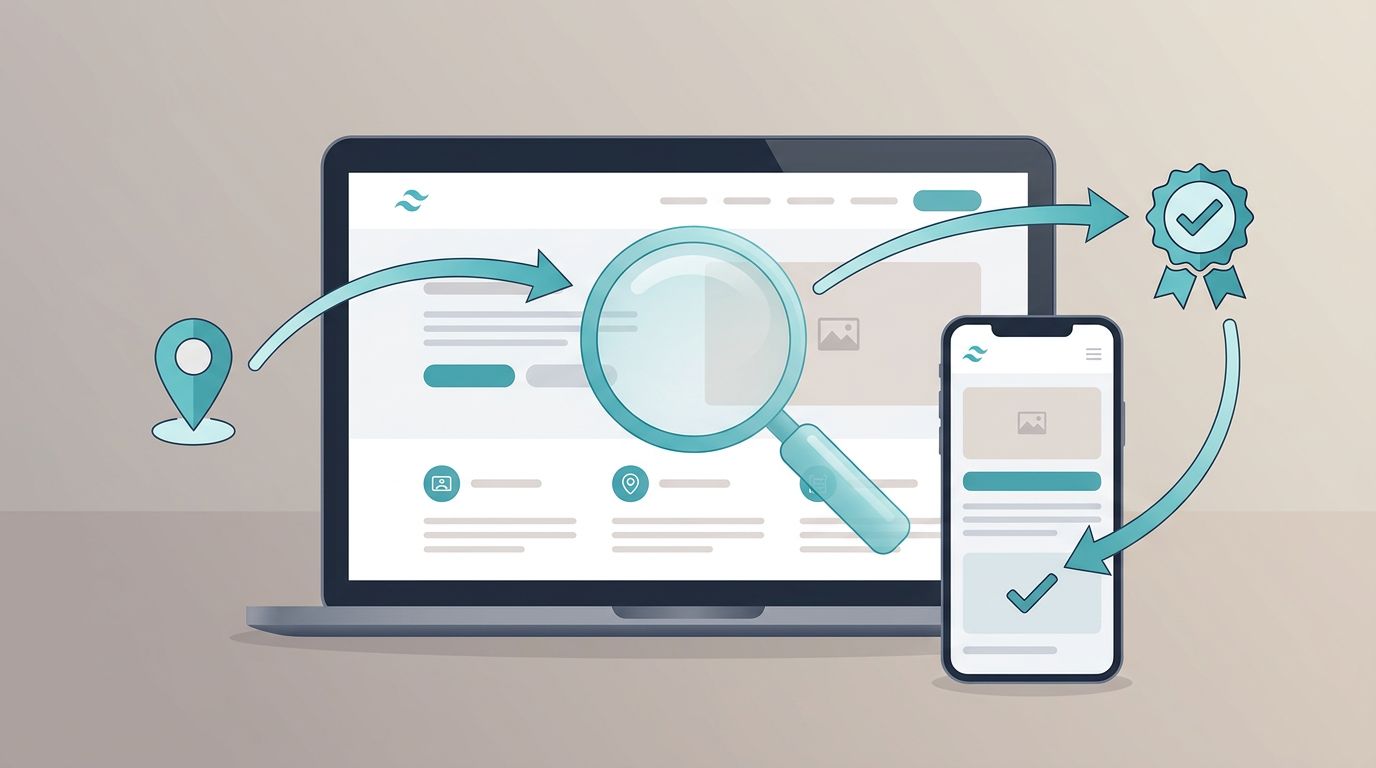
Check mobile usability, Core Web Vitals, broken links, indexation, canonicals, redirect chains, duplicate pages, and blocked resources. Also inspect the page in Search Console to confirm Google can crawl and render it properly.
A practical 2026 lesson is that small cosmetic edits rarely recover broad losses. Clean up thin duplicates, merge overlapping pages, and fix canonicals before Google keeps splitting signals across similar URLs.
How to build a recovery plan that lasts beyond the next update
Core update recovery is rarely instant. If the loss was broad, meaningful gains may take weeks to appear, and bigger rebounds often show after a later reassessment.
That is why random edits hurt. Document what changed on each page, record the date, and monitor clicks, impressions, rankings, and conversions together. If five teams edit titles, copy, templates, and internal links at once, you won’t know what helped.
Common mistakes that slow down recovery
One mistake is changing titles only. Better titles can lift clicks, but they won’t fix a mismatch between the page and the query.
Another is rewriting without a benchmark. If you don’t compare against the current winners, you may replace one weak version with another. Large content deletions can also backfire when teams remove useful pages instead of merging thin ones.
A simple 30-day recovery workflow
Keep the process light and trackable:
- In week one, confirm update timing and isolate the pages and queries that lost the most value.
- In week two, review the live SERP and compare your pages with current top-ranking competitors.
- In week three, improve content depth, summaries, examples, and visible trust signals on priority pages.
- In week four, fix technical blockers, update internal links, and monitor results without making random follow-up edits.
That workflow gives your team a clean test window. It also keeps recovery tied to business priorities instead of panic.
Conclusion
A rankings drop after a core update usually means the bar moved higher on usefulness, trust, and intent fit. Google didn’t need one broken page to reduce visibility; it only needed to find stronger alternatives.
Recovery comes from real page improvements, not shortcuts. Review your worst-hit pages, compare them with the results now winning, and fix what searchers can see and use. If you want a faster path to the biggest gaps, start with a fresh outside review and Get a Free Consultaion.
FAQ
Is a core update drop the same as a penalty?
No. A core update drop usually means Google re-ranked results and found other pages more helpful or relevant. A penalty is a direct action, and you can often confirm that in Search Console.
How long does recovery usually take after a Google traffic drop?
It depends. Minor page-level fixes can show movement in weeks, but broad recovery often takes months and may improve more after a later core update.
Should you delete content after a core update?
Sometimes. Thin, duplicate, or overlapping pages can drag a site down, so merging or removing weak content can help. Don’t delete pages that still match real demand and bring qualified traffic.
Can technical SEO alone recover lost rankings?
No. Technical fixes help Google crawl, index, and render your pages, but they rarely reverse a core update loss by themselves. The page still needs to better satisfy the query.
Should you publish more content right away?
Usually not. First, improve the pages that already lost important rankings. New content helps later, once your main pages are stronger and your site structure is cleaner.
What is the first report to check after an update?
Search Console is the first place to look. Compare dates before and after the update, sort by landing page and query, and find where the biggest losses hit clicks, impressions, and average position.