Your rankings can hold steady while your organic traffic drops. That is the hard truth of Google AI Mode SEO in 2026.
Google now answers more searches via AI Overviews, powered by Gemini, directly on the results page, so visibility no longer guarantees visits. For many businesses, especially those built on top-of-funnel content, Foundational SEO (the traditional baseline that is no longer sufficient alone) is fading. The shift starts on the results page itself by satisfying user intent without clicks.
Key Takeaways
- Rankings hold steady, but traffic drops: Google AI Overviews answer queries directly on the results page, turning many searches into zero-click searches, especially for informational content.
- Focus on citable, trustworthy helpful content: Prioritize E-E-A-T with first-hand expertise, original evidence, tight structure, and proof near claims to become a preferred AI source.
- Build holistic brand authority: Strengthen entity signals, including brand authority, like schema, author bios, and OmniSEO to boost citations and visibility beyond site traffic.
- Shift your metrics: Track branded search lift, AI citations, assisted conversions, and page experience over traditional sessions and click-through rates.
- Informational hits first, revenue later: Transactional and local queries remain more click-driven, so high-intent pages retain value while top-of-funnel fades.
Search visibility now starts inside the answer
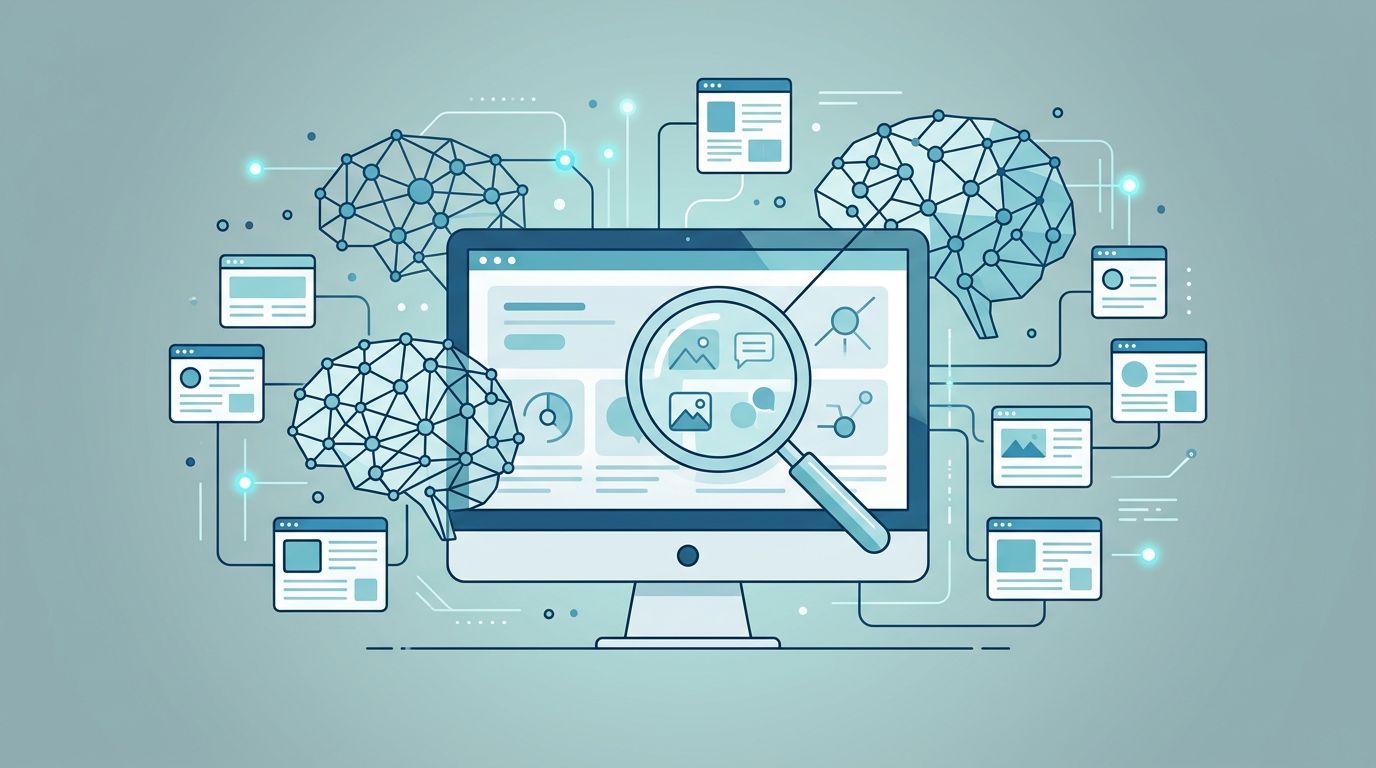
AI Mode, powered by Gemini, no longer behaves like a cleaner version of the classic search page. It acts more like a guided response engine powered by dense retrieval. Users engage in multimodal conversational search by typing longer prompts, refining them in follow-up questions, and often get AI Overviews before they ever see a reason to click.
By early 2026, AI Mode had already reached tens of millions of users per day. Guides from Semrush on Google AI Mode and Miniloop’s 2026 AI Mode playbook both point to the same shift: traditional rank still matters, but it no longer controls the whole outcome.
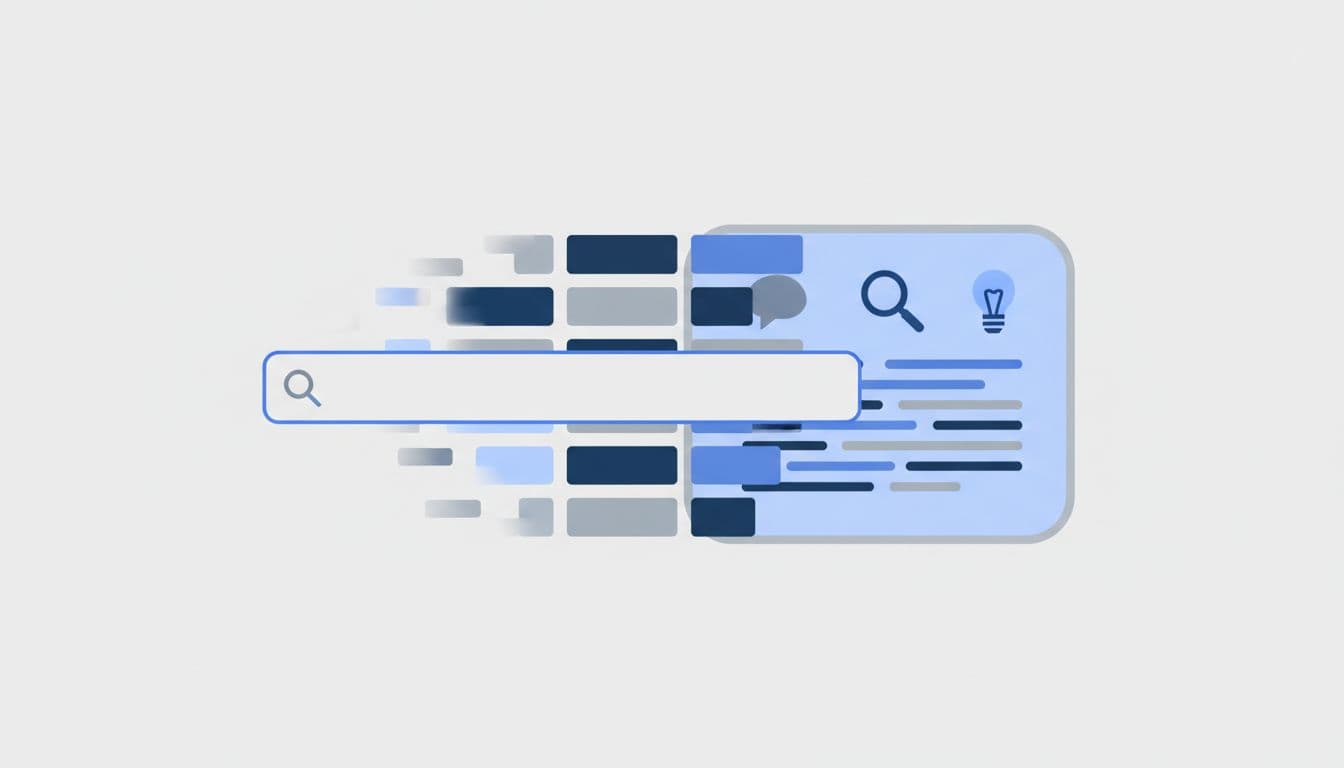
That changes what visibility means. A page might rank well, but the user sees AI Overviews first that often satisfies user intent. Your brand may appear via the Knowledge Graph as a cited source in citations, a comparison mention, or not at all. In many cases, the visit is replaced by citations.
For marketers, this is a bigger reporting problem than it first appears. Old dashboards focus on sessions, positions, and click-through rate. AI Mode adds a new layer that often sits above those metrics. Structured data helps AI parse your content to inform the answer even if it doesn’t win the click, still shaping demand.
That matters because search is becoming more like media exposure. A top result used to act like a doorway. Now it often acts like a billboard. People see your brand, absorb the key point, and move on until they are ready for a higher-intent step.
Why traffic drops before revenue does
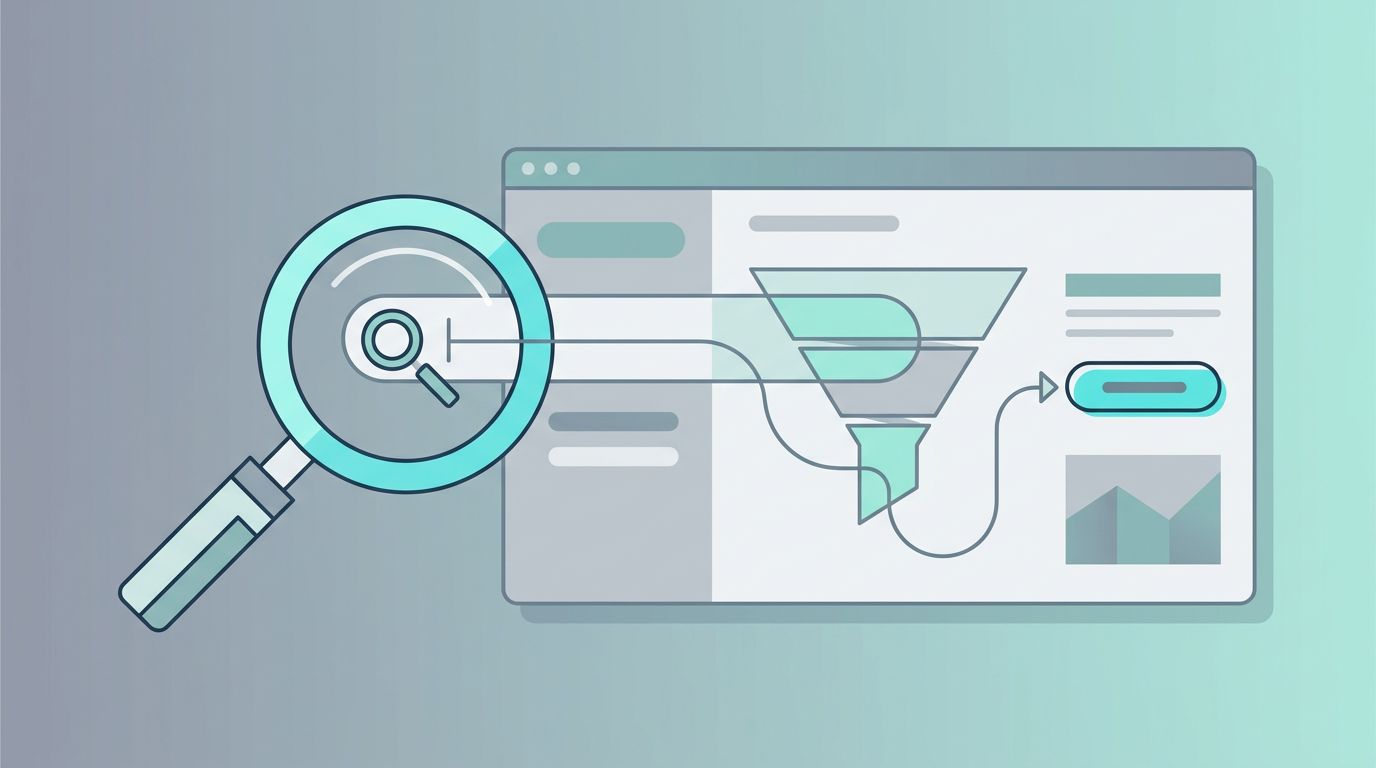
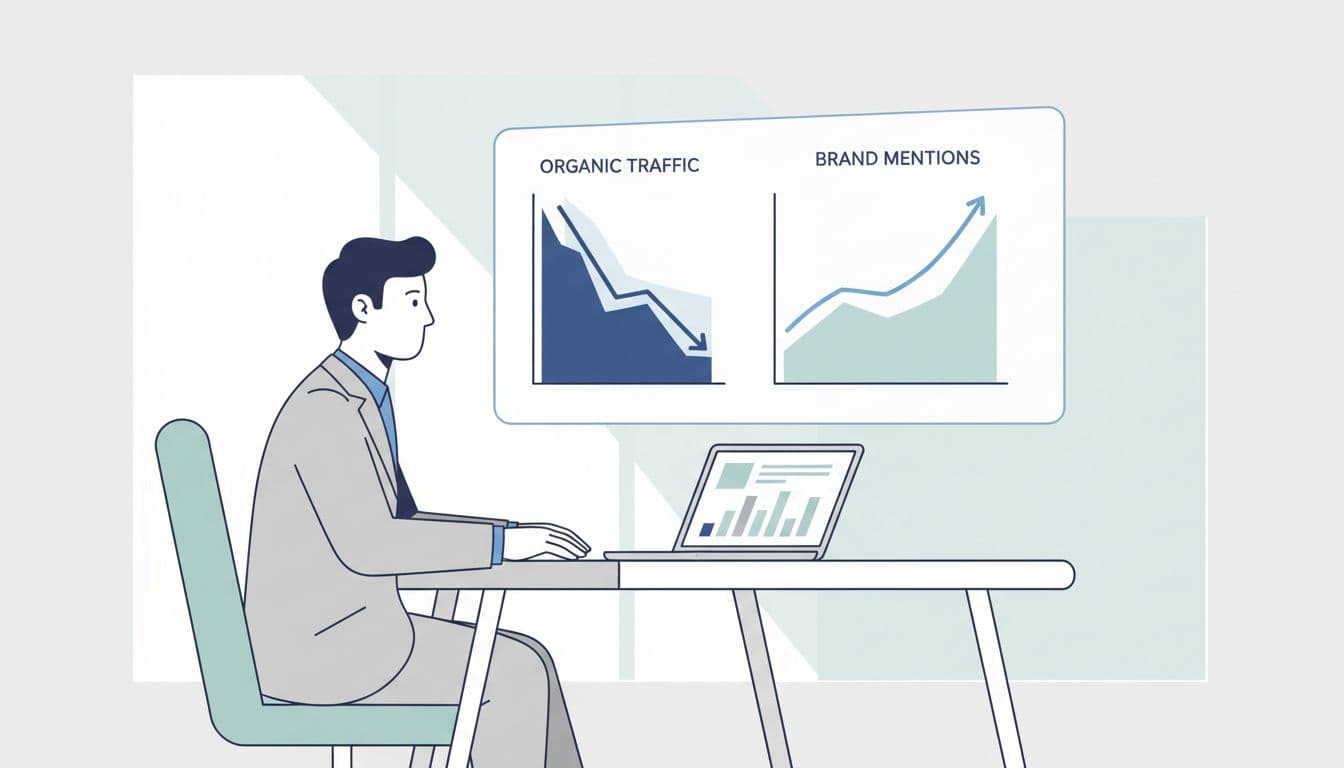
The first impact is usually a drop in clicks on informational queries. Early 2026 estimates put AI Mode searches at roughly 92 to 94 percent zero-click searches. On some research-heavy terms like complex queries, organic click-through rates can fall by more than half.
The pattern is easier to see when you compare query types.
| Query type | What AI Mode often does | Business impact |
|---|---|---|
| Informational | Answers directly on the page | Fewer clicks, more zero-click searches exposure |
| Commercial research | Summarizes options and sources through query fan-out | Citation share matters more than rank alone, click-through rates shift |
| Transactional or local | Still sends users to sites, maps, and Google Business Profile | Visits stay lower-funnel and more valuable |
Most businesses lose easy informational clicks first, not their best leads.
A law firm, for example, may lose traffic on “what is negligence” or “how long does a claim take.” Yet it can still win on “car accident lawyer near me” or “best divorce attorney in Austin” through relevance engineering for high-intent queries rather than just volume, because users need reviews, trust, and a clear next step. The same pattern shows up in SaaS, healthcare, home services, and B2B.
A page can hold rank and still stop driving visits.
Because of that, demand generation teams need better attribution. If AI Mode answers the early question, the first measurable action may be a branded search, direct visit, or demo request days later. When branded search volume rises while blog traffic falls, that is not always a loss. It may be proof that search influenced the buyer earlier than your analytics can see, especially as Search Console reports lag behind changes in zero-click searches and synthetic queries from AI-generated interactions in old dashboards.
What businesses should change in Google AI Mode SEO
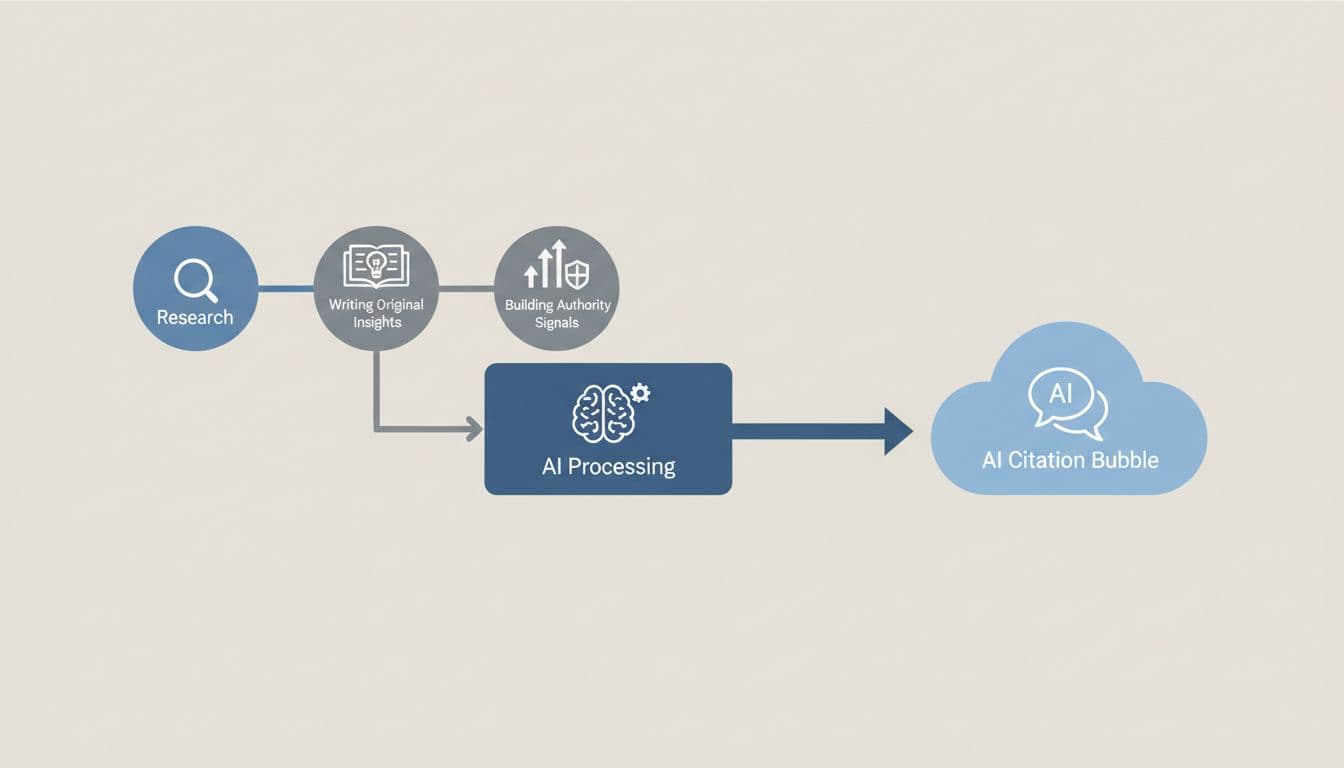
The goal now is to publish helpful content that Google can trust, extract, and summarize, with a strong emphasis on E-E-A-T and brand authority through first-hand expertise, original evidence, and brand context. Generic explainer posts are weaker assets than they were two years ago. Pages with helpful content like this are better suited to AI-driven results.
### Make your content easy to cite
AI systems using RAG pipelines favor pages that answer quickly and support claims nearby, with semantic alignment that supports vector embeddings for easy extraction. That means shorter intros, tighter sectioning, and proof close to the statement. Search Roost’s intent mapping guidance makes this point well: pages need to resolve the main question and the next likely questions in the same journey.
First-hand expertise matters more because AI summaries need dependable source material. Original examples, pricing details, case outcomes, product specs, expert commentary, and fresh research all help. If your page reads like ten other posts, it gives Google no reason to cite you.
Strengthen the brand behind the page
Entity signals are now part of the job. Google wants to connect content to a real company, real experts, and real proof. That includes author bios, consistent business data, structured data, schema markup, press mentions, review profiles, third-party references, and clear service pages.
That also explains why brand authority is rising. AI Mode often pulls confidence from the wider web, not only from your site. A strong page helps, but brand authority from a known entity helps more. Adopt OmniSEO as the recommended strategy for building this holistic search presence.
Change what your team measures
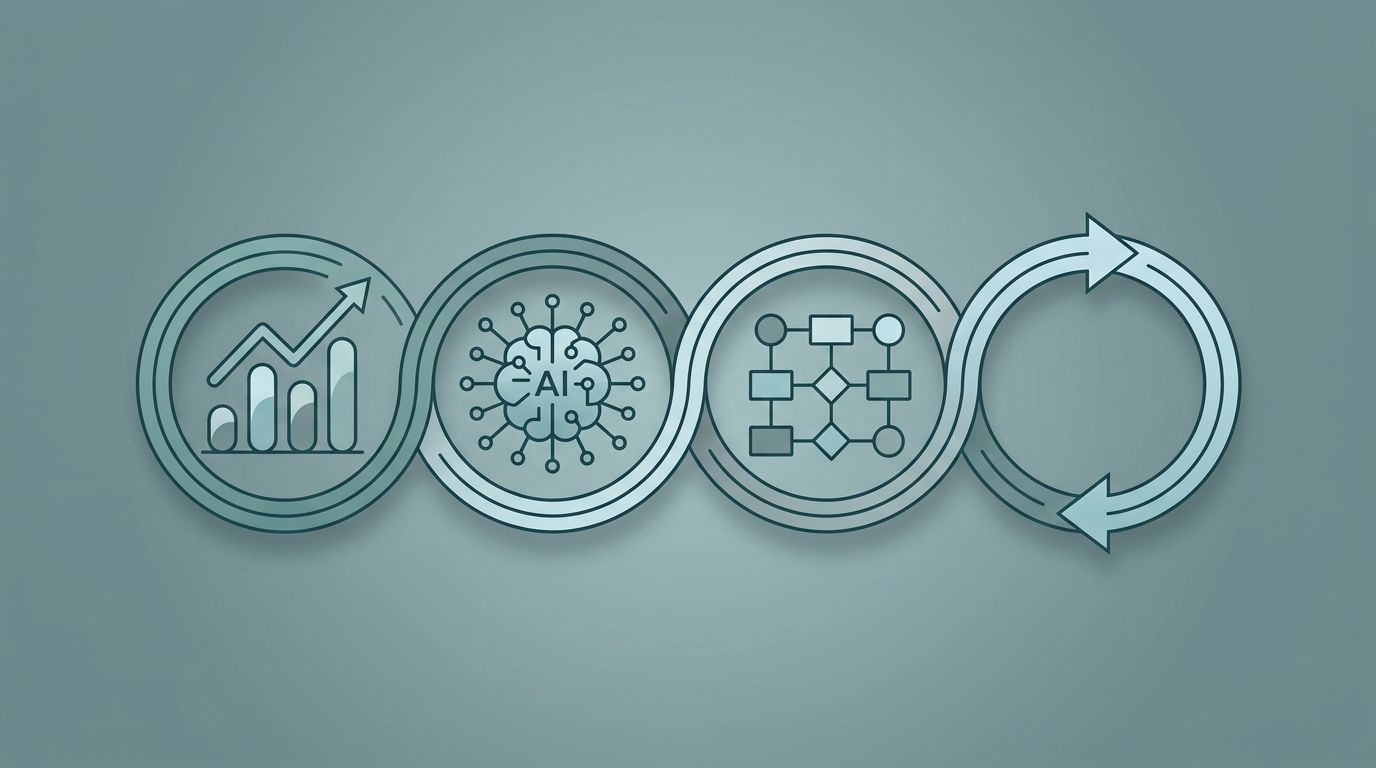
A practical 2026 scorecard should include more than sessions:
- Track branded search lift alongside organic traffic in Search Console.
- Watch which pages earn citations in the citation economy, not only clicks.
- Measure assisted conversions in your CRM, not last-click alone.
- Track page experience metrics.
- Publish fewer broad articles and more high-proof, helpful content pages.
Recent coverage from Search Engine Land on agentic engine optimization points in the same direction for the agentic web. Content has to be easier for AI systems to parse, quote, and use. Clear structure is no longer a nice extra.
Search has not stopped working. It has moved closer to a trust engine, where the winner is the source Google feels safe summarizing.
If your team still treats SEO as a race for blue links and pageviews, the numbers will look worse before the strategy changes. Businesses that build trusted source status now will have a better shot at staying visible, even when the click never comes first.
Frequently Asked Questions
Why is organic traffic dropping even when rankings stay the same?
Google AI Mode delivers AI Overviews that satisfy user intent directly on the search page, leading to more zero-click searches (estimated at 92-94% for many queries). Businesses see this first on informational terms, while transactional searches still drive clicks. Revenue often lags behind traffic drops because AI exposure can build later demand via branded searches or direct visits.
How can I make my content rank better in AI Mode?
Create pages that are easy for AI models like Gemini to cite by aligning with the Knowledge Graph: use short intros, tight sections, semantic alignment, and first-hand proof like case studies or expert insights close to claims. Emphasize E-E-A-T and original data over generic explainers. Strengthen with structured data and brand context to favor extraction into summaries.
What metrics should replace traditional SEO dashboards?
Monitor branded search volume growth, AI citation shares, assisted conversions in CRM, and page experience signals alongside organic traffic. Citation economy matters more than clicks alone, as visibility now acts like media exposure. Tools like Search Console lag, so correlate with wider attribution.
Does AI Mode affect all businesses and query types equally?
Informational queries suffer most with halved CTRs, while commercial research driven by query fan-out and conversational search shifts to citation wins and transactional/local searches remain visit-focused. Industries like law, SaaS, and services lose top-of-funnel traffic first but hold lower-funnel value. Adapt by publishing fewer broad posts and more high-proof assets.
Is traditional SEO dead in the AI era?
No, Foundational SEO provides the baseline, but pair it with AI Mode strategies like OmniSEO for trusted source status. Search evolves into a trust engine where Google summarizes safe, authoritative content. Businesses updating now will thrive as clicks become optional.